Thise feature is already implemented in 3D Slicer, which is a VTK-based open-source application, therefore you can take the full implementation from there:
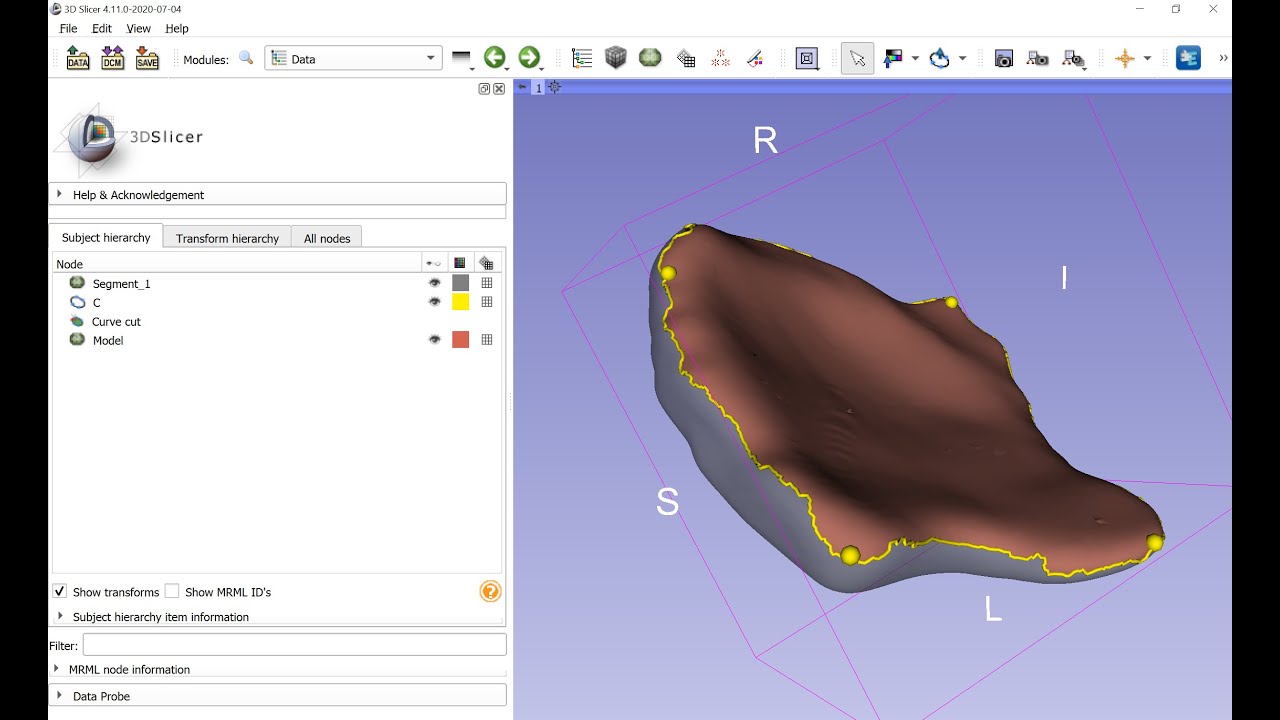
Source code for curve cut tool:
Your experimentation with VTK is extremely valuable learning experience, but when it comes to building the software that you ship to your customers (researchers, dentists, etc.) then I would strongly recommend to move to a more full featured VTK-based medical application platform, such as 3D Slicer. This platform already provides all other essential features for a dental implant planning software, such as convenient DICOM browser, automatic AI dental segmentation tools, panoramic image reconstruction, curve and thick planar reformat views, integration with several surgical navigation systems, tool trackers, real-time imaging devices, etc. All these are available for completely free, without any restrictions, for any use, including using it as a basis for commercial, FDA-approved products. By building on a platform you save millions of dollars worth of software development and maintenance, so you can focus your efforts on things that make a difference (unique algorithms, ideas, workflows), not on redeveloping yet another DICOM browser or 2D/3D image viewer.
There is even a full dental implant planning suite implemented in 3D Slicer that you might potentially leverage if you have some VTK-based tools to deliver:
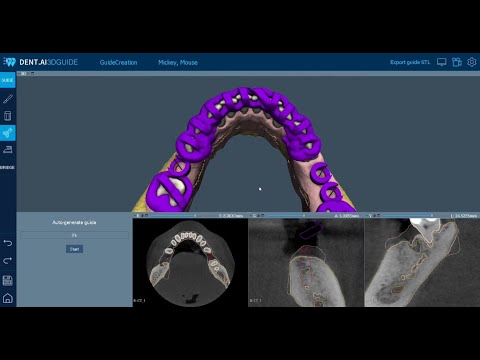
This application is not open-source, so if you are interested in starting from this then you would need to contact its developers (see their names for example on this recent 3D Slicer Project Week page on automatic dental segmentation.